
10-cool-things-you-didnt-know-ai-could-do
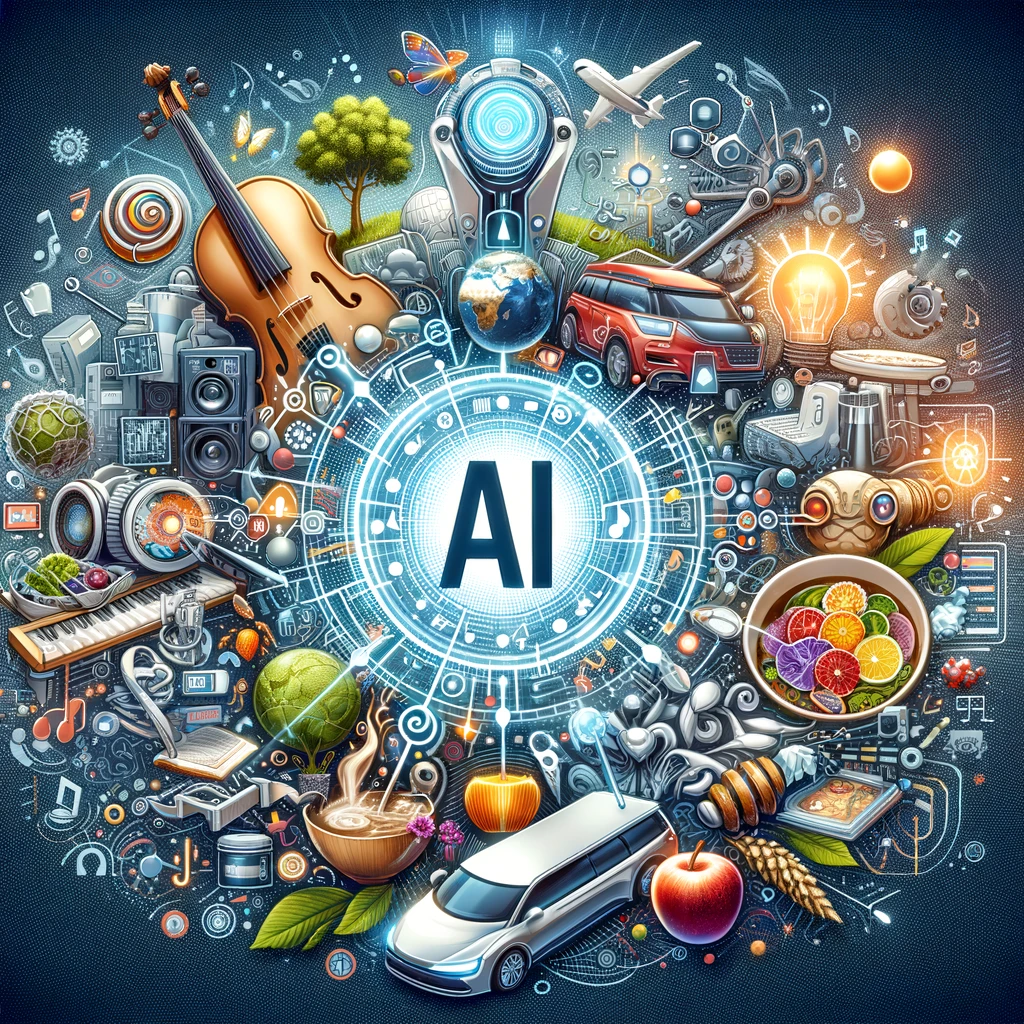
Artificial intelligence (AI) has swiftly transitioned from a budding technology to a core component of our daily lives, revolutionizing industries, enhancing productivity, and even entertaining us. While many are familiar with AI’s more common applications, such as virtual assistants and autonomous vehicles, AI’s capabilities extend far beyond these well-trodden paths. This blog post unveils ten astonishing tasks AI is performing today, which might surprise even the most tech-savvy individuals.
The Wonders of AI Beyond the Usual
As we delve into the less-known capabilities of AI, prepare to be amazed by the versatility and creativity of this technology. From artistic endeavors to environmental conservation, AI’s applications are as diverse as they are revolutionary.
1. Composing Music That Touches the Soul
AI’s Role in Music Creation
Imagine a symphony composed by an intelligence that has learned from centuries of musical theory and practice. AI programs have not only composed music but have also been credited with creating pieces indistinguishable from those composed by humans. “AI’s ability to understand and replicate the complexities of musical composition is astounding,” shares a renowned composer. This marks just the beginning of AI’s foray into the arts.
2. Crafting Stories and Novels
AI as an Author
Storytelling, a quintessentially human trait, is now being shared with machines. AI has penned short stories, poetry, and even novels, competing in literary contests and sometimes baffling judges with the depth of “emotion” and “understanding” in its work. Titles like “The Day A Computer Writes A Novel” have already made their mark, showcasing AI’s potential in literature.
3. Predicting Future Trends
AI in Forecasting
From predicting stock market trends to forecasting the next big thing in fashion, AI’s analytical capabilities are proving invaluable. Successful predictions have ranged from election outcomes to Olympic results, demonstrating AI’s ability to analyze vast datasets and discern patterns invisible to the human eye.
Predicted economic shifts with surprising accuracy.
Forecasted fashion trends, influencing designers’ choices.
4. Enhancing Culinary Experiences
AI in the Kitchen
Gone are the days when recipes were passed down through generations without change. AI now creates novel recipes and flavor profiles by analyzing thousands of ingredients and their molecular makeup. An AI-developed recipe for a beetroot dessert, for example, has been praised for its innovative approach to traditional cooking.
5. Revolutionizing Healthcare
AI’s Diagnostic and Treatment Planning
In healthcare, AI is making strides in diagnosing diseases at earlier stages than previously possible and tailoring treatment plans to individual patients. This personalized approach to medicine has been shown to significantly improve outcomes.
Detected specific cancers earlier than doctors.
Customized treatment plans leading to faster recovery times.
6. Transforming Agricultural Practices
AI in Farming
AI technologies monitor crop health, predict harvest times, and optimize farm operations, leading to increased yields and reduced waste. A farm utilizing AI drones and sensors has reported unprecedented efficiency in crop management and a significant reduction in water usage.
7. Automating Creative Design
AI as a Designer
In the realm of design, AI is no longer just a tool but a collaborator. It’s creating groundbreaking work in graphic design, fashion, and even architecture, challenging our perceptions of creativity. AI-designed clothing lines and buildings stand as testaments to the potential of machine-influenced aesthetics.
8. Enhancing Athletic Training
AI in Sports
Athletes and coaches are turning to AI for insights into performance enhancement and injury prevention. By analyzing gameplay and training sessions, AI provides personalized feedback that has helped teams secure victories and athletes improve their form.
9. Facilitating Environmental Conservation
AI and the Environment
AI’s ability to process and analyze environmental data is proving crucial in conservation efforts. It tracks endangered species, predicts poaching activities, and models climate change effects, offering a powerful tool for environmentalists aiming to protect our planet.
10. Personalizing Education
AI Tailored Learning
Education is being transformed by AI’s ability to customize learning experiences to the individual needs of students, making education more accessible and effective. By adapting materials in real-time, AI ensures that learning is always at the perfect pace and level for each student.
Conclusion
The applications of AI we’ve explored are just the tip of the iceberg, highlighting the technology’s versatility and potential to positively impact every aspect of human life. As AI continues to evolve, its capabilities will only grow more astonishing, promising a future where the full breadth of its applications is beyond our current imagination. This journey into the lesser-known abilities of AI not only broadens our understanding of what technology can do but also challenges us to think about the future possibilities that lie just over the horizon.